
The #1 Mistake We Make About Earthquakes
You know about an earthquake’s magnitude and epicenter. But, there’s one critical piece of information that’s often ignored by journalists and everyone else.
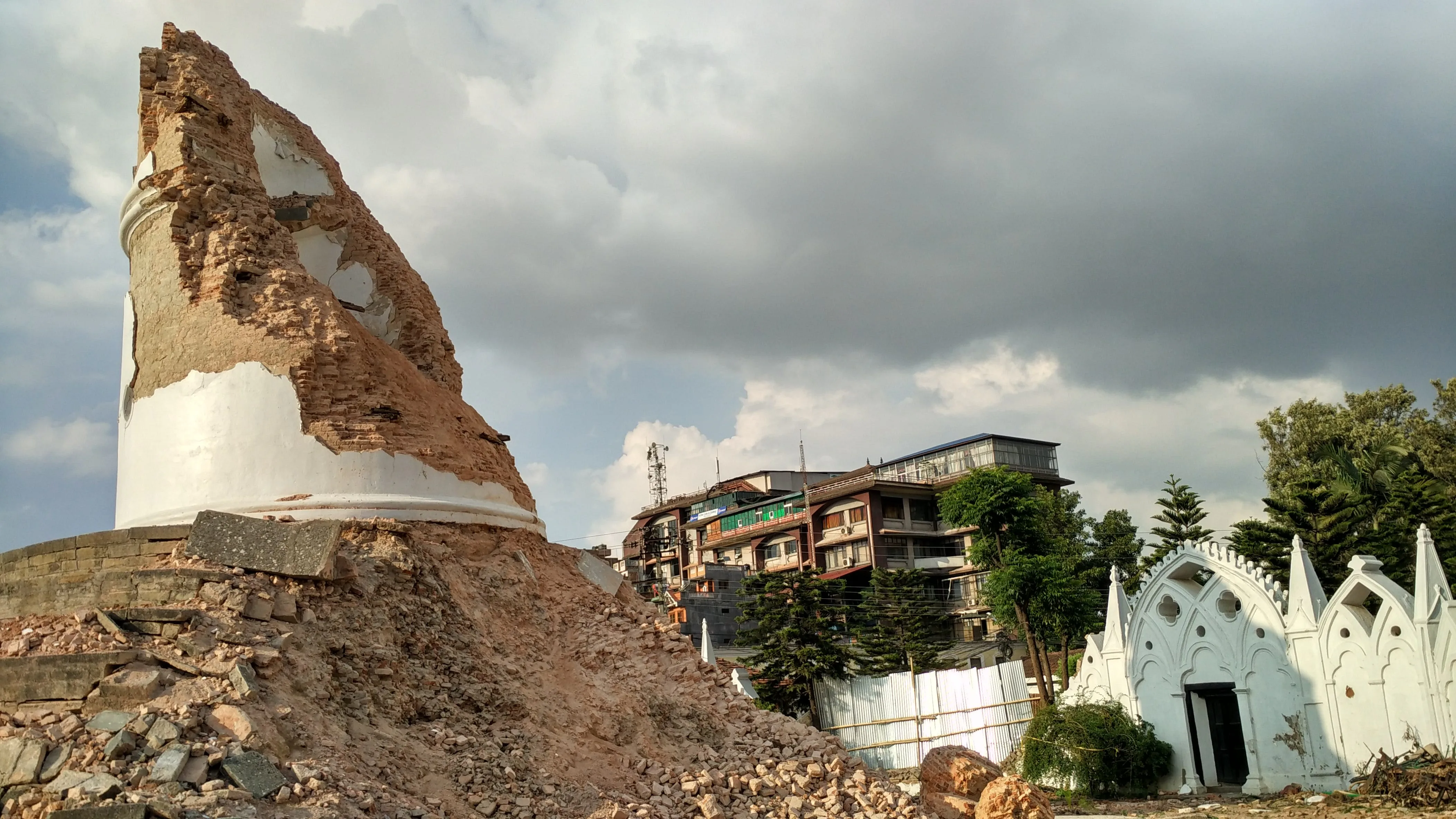
This is usually it goes goes. It all starts with a tweet or a breaking news banner on the television: “Powerful earthquake rocks Gotham.”
In the first few minutes, details are faint. We don’t know the magnitude, or even where precisely the earthquake struck. The flurry of tweets from people spreading the word about the shaking may span several cities, or even several countries at once. There is confusion.
The USGS or a regional seismological center reports, “the earthquake was a magnitude 7.8” and by now Twitter is buzzing with retweets of photos of damaged buildings, and “thoughts and prayers” from concerned people as they follow along. The information that the TV news media provides in the first hour lags Twitter and they scramble to ask anyone for knee jerk reactions to the earthquake which obviously leads to no insights into today’s earthquake.
It’s been 15 minutes since the earthquake and this is where we all make the critical mistake.
People generally ask two questions about the earthquake:
Where did the earthquake strike?
How strong was it?
But that’s not enough. Even if you know the location of the epicenter and the magnitude, that still doesn’t give you enough information to decipher how significant this earthquake is.
The #1 mistake we make with earthquakes is not figuring out the depth of the earthquakes.
How far below the earth’s crust did the earthquake originate?It’s equally important to ask how far away and how far below did the earthquake strike from any major city.
Let’s compare the Nepal and Afghanistan earthquakes in 2015 to find out why.
Nepal: Magnitude: 7.8. Depth: 15 kms. Casualties: 9,000+ dead.
Afghanistan: Magnitude 7.6. Depth: 200+ kms. Casualties: 260+ dead.
Key lesson: Always find out the depth of an earthquake.
A shallow earthquake, like the one that hit Nepal, causes much more violent shaking in a smaller area, and the damage and casualties are usually more severe.
Whereas, a deep earthquake initially appears more devastating than it usually is because the ripples of an earthquake that originates deep within the earth’s surface (say, 200+ kms) travel much further out. A significantly more number of cities and possibly countries will feel it, but the damage and casualties
That’s it.