Torontonians Woke Up in a Mad Max Movie with Terrible Air Quality
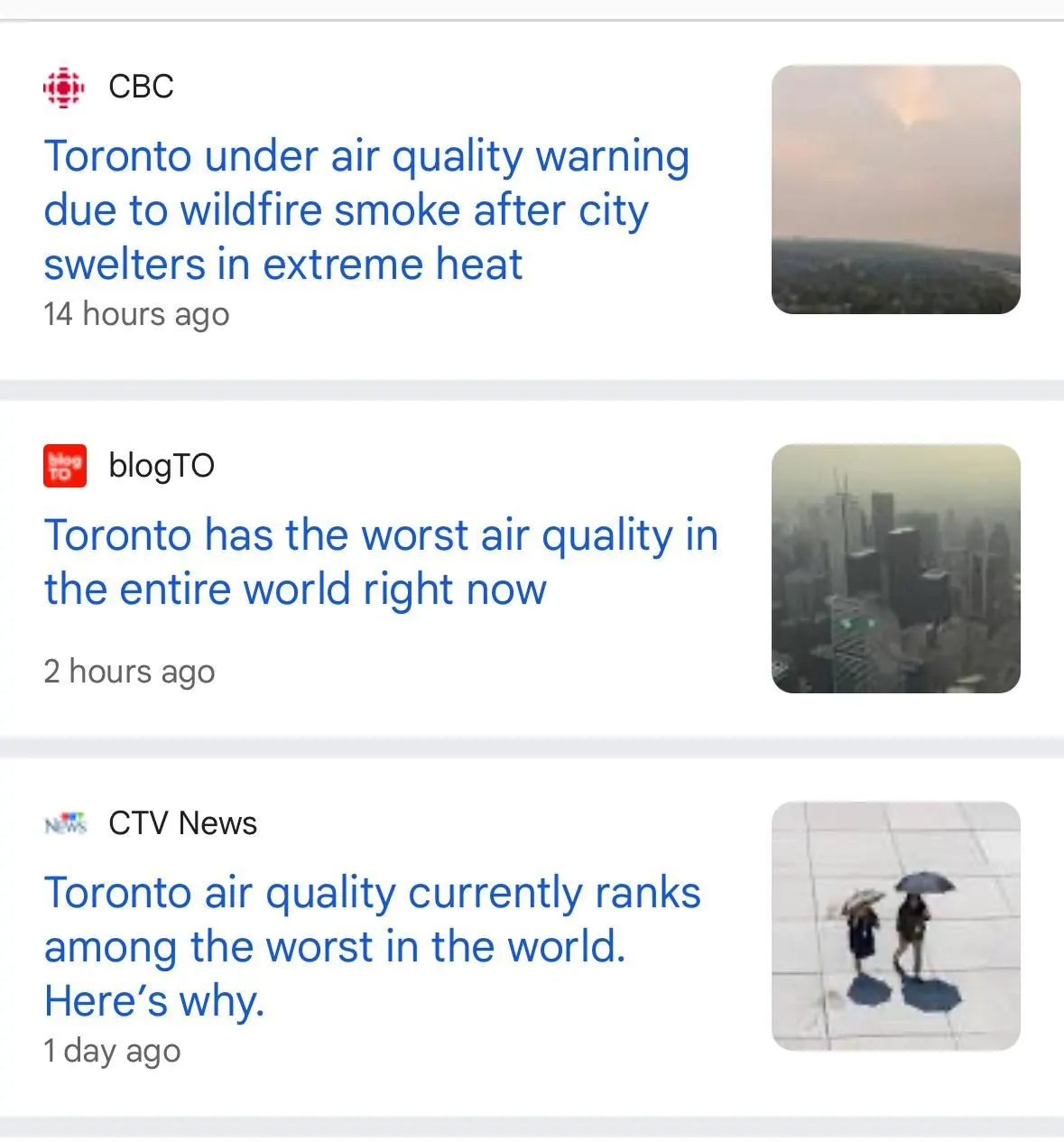
It’s hard to believe, but Toronto is the most polluted major city in the world right now.
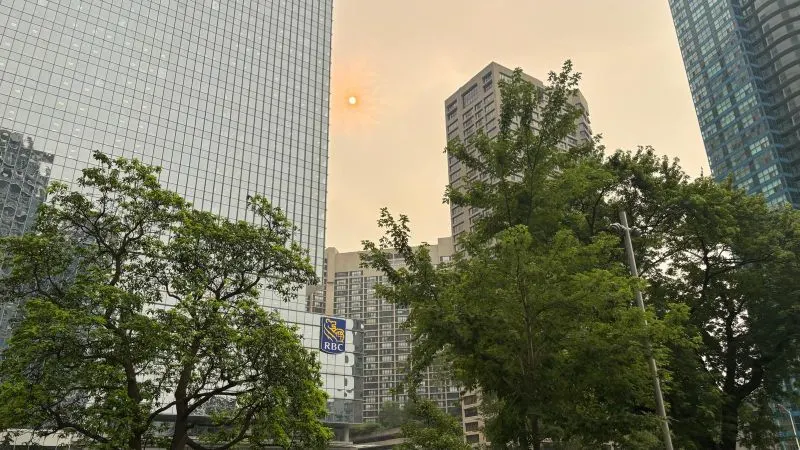
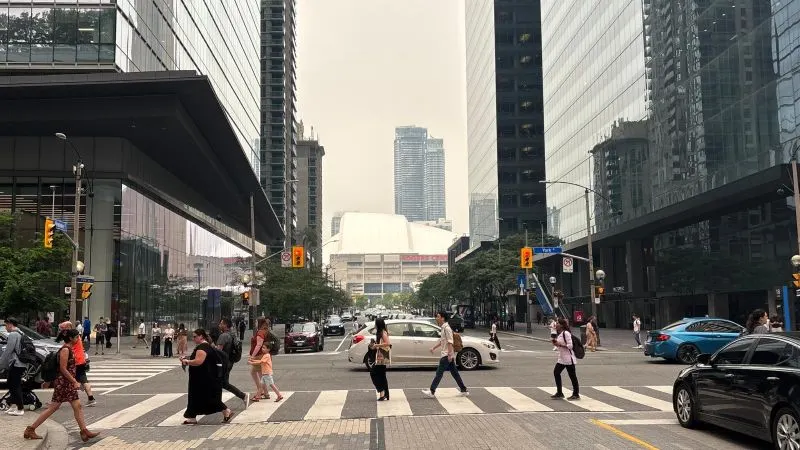
A thick, brownish-gold hue has enveloped Toronto. It looks like we woke up in a Mad Max film. Canada’s official Air Quality Health Index has reached 10+ for Toronto, its highest risk category.
Environment Canada has issued an air quality alert: “Everyone’s health is at risk regardless of their age or health status. Limit time outdoors. Reschedule or cancel outdoor sports, activities and events.”
Visibility has deteriorated enough that Toronto’s Billy Bishop Airport has turned on its runway lights in the middle of the day.
While Canada has done a remarkable job of investing in air quality monitoring stations and making that data openly available, wildfires exacerbated by climate change threaten to undermine decades of air quality progress.
You probably know that I talk about air quality often, but it’s rarely in the context of Toronto.
Just last month, the Asian Development Bank (ADB) invited me to a regional workshop in Nepal on addressing air quality and climate risks to health and livelihoods across South Asia.
The two-day workshop brought together government officials and air quality leaders to share success stories, address common challenges, and draft a regional clean-air action plan for South Asia.
At the workshop, I delivered two presentations about topics I have been thinking about for more than a decade:
- Open Data as the Foundation for Regional Cooperation on Transboundary Air Pollution
- Last-Mile Air Quality Information as a Livelihood Resilience Strategy
Both talks were about what happens after air quality data is measured: how we share it across borders and get it into the hands of the people who need to act on it.
Unlike Toronto’s acute wildfire-smoke event today, many South Asian cities face severe air pollution throughout the year. According to the World Bank, nine of the world’s 10 most polluted cities are in South Asia.
Climate change is getting worse, but it is not unsolvable. (I hope.)
I am optimistic, though, because I have been fortunate to have a front-row seat to people and organizations doing meaningful work on air quality and climate change.
The OpenAQ Inc team has helped democratize access to air quality data around the world. Dr. Christa Hasenkopf at the Energy Policy Institute at the University of Chicago (EPIC) has used innovative funding and advocacy to help fill critical global air quality data gaps.
And ecobee has grown from Stuart Lombard's idea on the back of a napkin in a pizza shop into a thriving company. It's thermostats have delivered more than 53.9 TWh of energy savings, which is the equivalent of taking 2.4 million gas-powered cars off the road for a year. How cool is that?
Anyways, take care of yourself today, and check in on others who may be more likely to be impacted by wildfire smoke like children, elderly, pregnant women, immunocompromised and folks who have to spend time outdoors.