
“Villages completely flattened” in Sindupalchowk District of Nepal. But Why?
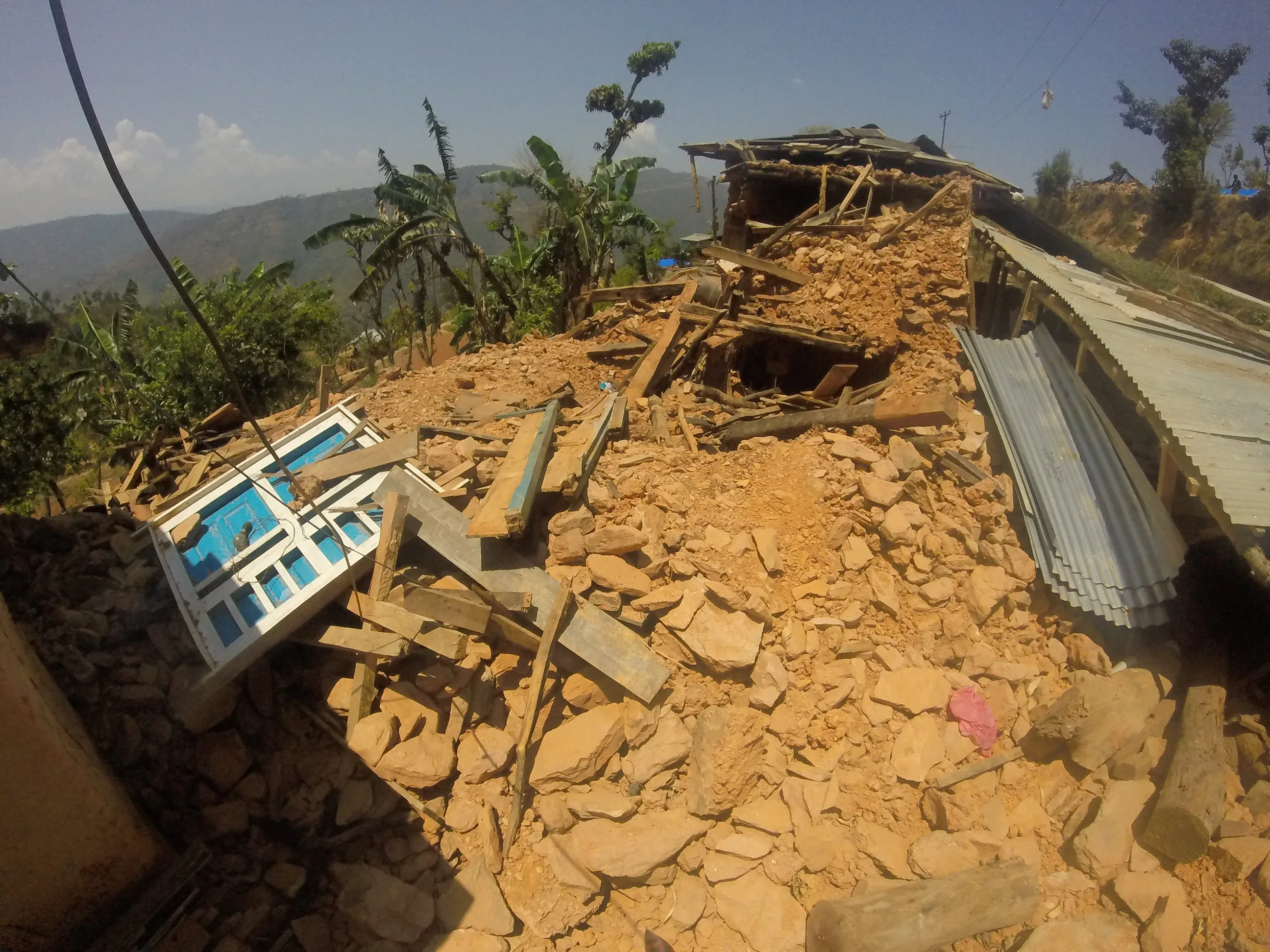
“Why?”, I wondered, looking at the New York Times map of death tolls in various districts of Nepal. Over 2000 deaths have been reported in Sindupalchowk District so far.
It just didn’t make any sense.
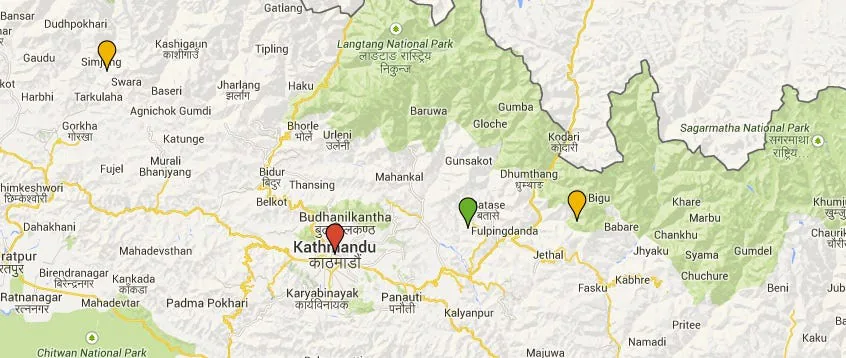
(see interactive map here)
The epicenter of the M7.8 earthquake is more than 100 kilometers away from the Sindupalchowk District.
Why then did this district take such a devastating blow compared to other districts closer to the epicenter?
More than 2,071 deaths have been reported in this Sindupalchowk district so far.
On Saturday, May 2, I traveled to Sindupalchowk District with AP reporter Todd Pitman and AP cameraman Manish Swarup.
Surprisingly, the roads all the way up to Chautara in Sindupalchowk District were in remarkably good condition, and comfortable even for our little chartered taxi.

On top of a hill in Chautara, I met with David O’Neill from the London Fire Bridage, who was serving with the UK ISAR (United Kingdom International Search and Rescue).
I had many questions, and he has the answers!
O’Neill told me that a 10 man “Advanced Team” was out in the remote villages of Sindupalchowk District, assessing the damage and relaying it back to the team camp, where we were standing.
Why was this area so badly affected by the earthquake?What are your Advanced Teams finding out there?“It wasn’t Saturday’s M7.8 earthquake that had the biggest impact in this region. The M.6.7 aftershock at 1pm the following day did.”
Could you elaborate?Villages have been flattened. Totally flattened. With fatalities upto 80% in several villages.
It wasn’t the initial M7.8 earthquake, but Sunday’s aftershock?Yes, our Advanced Team walked for several hours into the mountains of Sindupalchowk after the road ends, and assessed 6 villages. The villages are totally flattened.
Right. These are the names and Lat, Lang values of the villages we assessed.
Pembuthan: 854745, 280125
Golche: 854645, 275355
Panthan: 854645, 275355
What’s the scope ?
This region North and to the East of us (Chautara)
What are the next steps for you?We are a Search and Rescue team, so that’s what we do. But right now, the helicopters that were assigned to us have been redirected to other aid delivery missions by the Nepal Army. Our plan right now is to move our camp back to Kathmandu, and charter our own helicopters and fly Search and Rescue missions from there.
Summary
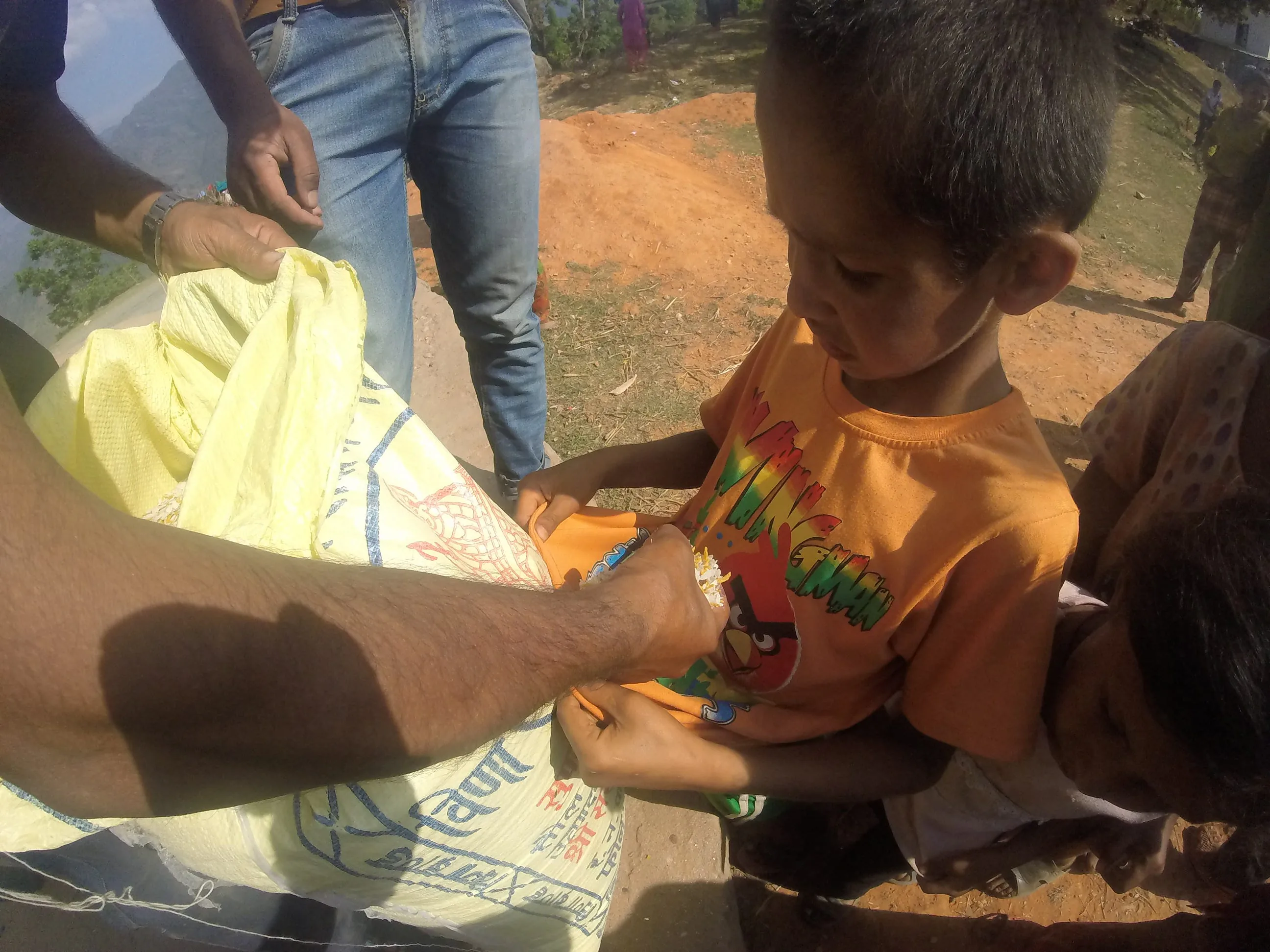
Sindupalchowk District is in dire need of immediate search and rescue, and a massive amount of relief with water, food and tents.
On our drive back down the mountains and into Kathmandu, we saw several relief trucks with aid led by volunteers from across Nepal and India.
These small volunteer-led efforts are making a direct impact on the lives of the people who live along these roads right now.
However, these volunteers won’t be able to reach the vast majority of people in Sindupalchowk District who live in villages that are several hours away from these major roads, and are only accessible by helicopters.
The situation on the ground in Sindupalchowk District is an all out humanitarian crisis and it’s getting worse by the day. There is some help that’s on the way, but I fear the challenge here is being underestimated.
Recommended Reading
You should read this excellent article by AP’s Todd Pitman on Nepal’s Heritage.
“Damaged by deadly quake, fate of Nepal heritage unsure”
Despite being in the country for only a few days, Todd managed to capture the historical and cultural nuances in Nepal’s heritage. It was a story that needed to be told, and he did it justice.